Breathing Danger: The Silent Killer Harming Women in the OR

  • Published: 12/5/2025
  • 5 min

In Conversation with Dr. Jasenka Kraljević on Why Surgical Smoke Can’t Be Ignored

Imagine walking into an operating room and breathing in something that could silently destroy your lungs, threaten your fertility, and put your life at risk. Now imagine doing it every single day, thinking it’s normal. That is the reality of surgical smoke – and most healthcare workers don’t even realize it.

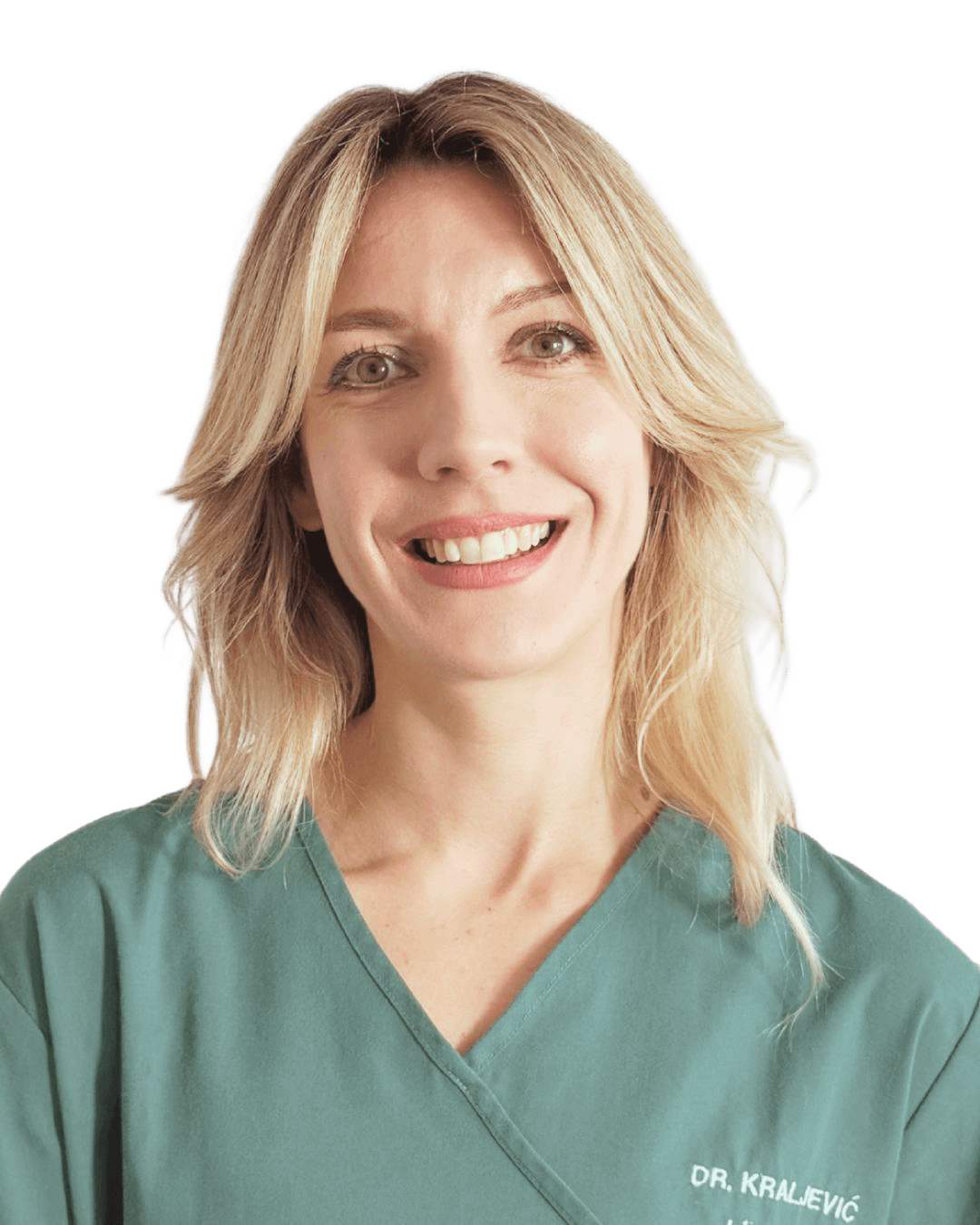
Dr. Jasenka Kraljević, an abdominal surgeon and associate professor at University Hospital Split, Croatia, knows this better than anyone.

Dr. Jasenka Kraljević's Headshot

“When I began my residency, I had never even heard about surgical smoke. It simply wasn’t part of our training,“ she says. That changed when she visited a hospital in Norway. “They had smoke evacuation as standard practice,“ she recalls. “I was shocked that what we accepted as ‘normal’ was treated there as a serious occupational hazard. That visit changed the way I saw things.“

Once you see it, you can never unsee it.

The Hidden Killer in the Air

Surgical smoke is not a harmless byproduct. It is a toxic cloud, a mixture of ultrafine particles, chemicals, and biological matter. It swirls around every face near the source. Every single breath in the OR carries invisible risk.

“Anyone close to the source – surgeons, scrub nurses, anesthetic staff – we all breathe it in. It irritates the eyes and lungs, and long-term exposure may cause more serious health effects,” Dr. Kraljević warns.

To make it tangible, she offers this stark comparison:

“One day of laparoscopic surgery can produce smoke equivalent to smoking 25 to 30 unfiltered cigarettes – in terms of particulate concentration and chemical exposure levels. And that’s not an exaggeration; it’s based on occupational safety research.”

And these chemicals are deadly. Benzene, formaldehyde, and other reprotoxic and carcinogenic compounds infiltrate the air, attacking the body silently. The National Institute for Occupational Safety and Health in the United States already classifies surgical smoke as an occupational hazard and recommends evacuation at the source. However, in Europe, patchy regulation leaves countless OR teams exposed.

The Risk to Fertility, Pregnancy, and Life

For female healthcare workers, the danger is even more intimate.

“Many of the chemicals found in surgical smoke are classified under European Union law as reprotoxic – meaning they can harm reproductive health – or even carcinogenic,” Dr. Kraljević explains. “NIOSH warns that these substances are linked to reduced fertility, miscarriage, and birth defects. Female surgeons already face higher rates of infertility and pregnancy complications – where smoke exposure is just part of that puzzle.”

Pregnant and breastfeeding staff face the same toxic exposure.

“Pregnant and pregnancy-planning staff inhale the same plume – fine particles, toxic gases, and viral fragments. Large studies show that exposure to inhalational hazards increases the risk of spontaneous abortion and pregnancy complications” she says. “Even when surgical smoke isn’t specifically studied, the overlap in toxins makes the risk impossible to ignore. The principle is simple: precaution first. If there’s even a chance of harm, evacuate the smoke – every single time.”

The threat extends to breastfeeding mothers too.

“There’s almost no direct research on breastfeeding and surgical smoke, but we know many plume chemicals are fat-soluble – meaning they can accumulate in the body and potentially pass into breast milk. It hasn’t been proven, but it’s biologically plausible.”

The Solution Exists but Action Is Urgent

The terrifying truth is that this is preventable. The science is clear. The technology exists. And yet, too many operating rooms still treat surgical smoke as “normal.”

This is where CONMED steps in. CONMED has been leading the charge for over 30 years, offering the most comprehensive smoke evacuation portfolio on the market. At the heart of it is the PlumeSafe® X5™ Smoke Evacuator, a next-generation system combining powerful yet quiet performance, ULPA filtration with 99.9997 percent efficiency at 0.01 micron, and activated carbon media for VOC capture1. Pair it with smoke evacuation pencils, filters, tubing kits, and accessories, and you have a complete ecosystem that adapts to any surgical specialty.

Screen Off
PlumeSafe® X5™

But Technology Alone Cannot Solve the Problem.

Education and advocacy are essential. CONMED’s Clear the Air program provides face-to-face, in-hospital education for theatre teams, guiding staff on safe electrosurgery practices and smoke evacuation. Hospitals can run audits, implement step-by-step safety plans, and ensure that every operating room becomes smoke-free. AORN partnered CE-accredited education, hands-on support, and ready-to-use policy templates help turn awareness into action.

Clear
the
Air

Because Once You Know, You Can’t Go Back

Dr. Kraljević’s warning is urgent and personal:

“The first step is recognizing surgical smoke as a serious occupational hazard. The second step is to act: evacuate smoke at the source, use proper filters, control desufflation during laparoscopy, and educate every team member. It’s not complicated – it’s about commitment. In Europe, unlike in the United States (U.S.), we still don’t have binding regulations for smoke evacuation – and that’s exactly why advocacy matters”

Nearly 80 percent of Europe’s healthcare workforce are women, and the majority of OR staff are women as well. More women are entering surgical specialties every year. Every one of them deserves to work in an environment that protects their health, fertility, and life.

The stakes are higher than ever.

Every unprotected breath is a gamble with your lungs, your fertility, your future. Every OR team member deserves to walk into work knowing they are safe, not risking decades of health with every procedure. Surgical smoke is invisible, but its impact is very real, and silence will cost lives.

The time to act is now!

Because once you understand that one day in the OR can equal a pack of cigarettes, you will never call it “normal” again. You will never accept preventable harm as part of the job.

And that is where real change begins – in every breath, every operating room, and every decision to put safety first.

Connect with us today and learn about CONMED's Clear the Air Program

1 Data on file, PDD1791226
* All other claims are drawn directly from Dr. Kraljević’s interview